No products in the cart.


 02Oct
02Oct 
No products in the cart.
SPORTS NUTRITION AND DIGESTIVE ENZYMES: The term “enzymes” refers to specific proteins or protein-based organic compounds consisting of amino acid polymers, which act as catalysts in the chemical reactions that take place in the metabolism of organisms.
Almost all chemical reactions in cells require the regulatory action of enzymes. Like all catalysts, enzymes function by increasing or decreasing the activation energy of a reaction.
Most enzymes accelerate the reaction millions of times compared to its speed without being affected. Although almost all enzymes are proteins, not all biochemical catalysts are enzymes. An example of a non-enzyme is catalytic RNA.
The action of enzymes can be influenced by other molecules: inhibitory factors reduce their action, while there are molecules that increase it (activating factors). Enzyme activity also depends on temperature, the chemical environment (e.g., pH), and the concentration of the substrate in its active site.
Allosteric enzymes exist in active and inactive forms, while others may be inhibited by molecules that do not belong to substrates. Our bodies contain approximately 3,000 different varieties of enzymes that contribute to a large number of metabolic processes and functions, including food assimilation, repair, renewal, and maintenance of a strong immune system.
Digestive enzymes are protein catalysts that participate in the breakdown of food (digestion) in the mouth and intestine. Digestion is a complex process in which nutrients from food are converted into simpler compounds so that they can be released and absorbed through the intestinal barrier into the bloodstream.
SPORTS NUTRITION AND DIGESTIVE ENZYMES
-One of the main functions of digestive enzymes is to increase the bioavailability of nutrients-
As we age, digestive enzyme levels decrease, so a 70-year-old has half the amount of enzymes they had at age 20.
Enzymes are naturally found in raw or fermented foods, but are destroyed by cooking.
The majority of our food is cooked or processed, so most foods today are almost devoid of enzymes. Low enzyme levels cause us to age faster and gain weight, and are also linked to chronic diseases such as obesity, heart disease, and certain forms of cancer.
SPORTS NUTRITION AND DIGESTIVE ENZYMES: Enzymes are categorized into:
Natural enzymes.
They are found in unprocessed organic foods, especially fruits and vegetables, but also in unpasteurized milk, egg yolks, sauerkraut, and pickled vegetables. Natural enzymes are beneficial for the immune system, joints, and arteries.
Digestive enzymes.
They are mainly found in the intestine and help minimize indigestion, reflux, bloating, and gas.
Where are they produced?
Digestive enzymes are produced in the pancreas as exocrine secretions of the pancreas, which are released by pancreatic juices into the duodenum. They are also secreted in saliva, released from the gallbladder, and stored on the surface of your intestines.
The environment in which digestive enzymes operate, as well as the bioavailability of nutrients, are quite important for their synthesis and activity. For a healthier digestive system, including the structure and function of the gastric and intestinal mucosa. In addition, the pH and composition of the intestinal microflora play critical roles in the digestion process.
Insufficient amylase: can lead to diarrhea!
Lactase deficiency: can lead to lactose intolerance and unwanted gastrointestinal symptoms!
Protease deficiency: can lead to allergies or toxicity in the intestine!
Insufficient lipase: can lead to a deficiency in fat-soluble vitamins A, D, E, and K!
Causes of digestive enzyme deficiency:
People with pancreatitis, pancreatic cancer, certain diseases of the bile duct, and cystic fibrosis tend to have problems when they do not have enough pancreatic enzymes to digest the food they eat. Other conditions that contribute to digestive enzyme deficiencies include diabetes, pancreatic cysts or non-cancerous tumors, narrowing or blockage of the pancreatic or bile duct, etc.
Other factors that greatly influence digestive enzyme production include:
SPORTS NUTRITION AND DIGESTIVE ENZYMES: When is it necessary to take digestive enzymes?
If your body does not produce enough digestive enzymes, it is very likely that it will not be able to digest food properly. This can cause some unpleasant symptoms, which will initially be noticeable in the intestine. They last for a day or even a week and include:
Food allergies and intolerances (lactose intolerance)
Supplemental digestive enzymes can come from three different sources: animals, plants, and microbes.
Enzymes of animal origin include pancreatin, pepsin, trypsin, and chymotrypsin. Pancreatin is still frequently used by professionals and usually includes most of the enzymes necessary for the digestion of proteins, fats, and carbohydrates in the small intestine.
Plant-based enzymes such as bromelain (from pineapple) and papain (from papaya) provide proteolytic enzymes, which break down proteins and are included in many digestive formulas. These can be very useful to take daily with food or even as an occasional “after-meal” enzyme to encourage completion of the digestive process.
They also serve as systemic enzymes to promote healthy inflammation resolution and are suitable for vegetarians and vegans. Gluten-specific proteases can be included in specialized formulations to help break down gluten proteins.
Enzymes of microbial origin from fungi (including yeasts) and bacterial sources can be used by vegetarians and vegans and have good gastric stability. Microbial enzymes may include amylase, glucoamylase, proteases, lipase, and multiple types of saccharidases, including lactase (for the digestion of lactose), alpha-galactosidase (for digesting beans, legumes, and cruciferous vegetables), and cellulase (for digesting cellulose), along with hemicellulase, xylanase, and pectinase, which are all very important enzymes for digesting plant components. Gluten proteins.
Phytase is another supplemental digestive enzyme that can be taken in a broad-spectrum formulation to support the digestion of phytic acid, a component that binds minerals, reducing their bioavailability.
Supplementing with microbial digestive enzymes can be particularly helpful when transitioning to a more plant-based diet, helping to digest tougher plant components such as cellulose and increasing the bioavailability of nutrients. They also complement the enzymes produced by the pancreas, so they are not considered to “bypass” the natural action of digestive enzymes.
Side effects of digestive enzymes include:
PROPOSAL
In case of frequent indigestion, take digestive enzymes with each meal and supplement with B6 (50mg) and zinc (30mg). Digestive enzymes help with hydrochloric acid production and digestion in general, vitamin B6 boosts stomach acid, and zinc helps with intolerance symptoms.
Foods that contain natural digestive enzymes, whether we are in a cutting or clean bulking period:
1. Pineapple.
Pineapple contains a compound known as bromelain, which has been shown to have anti-cancer and anti-inflammatory effects. Pineapples also contain several important enzymes, including protein-digesting enzymes known as cysteine proteases. These enzymes have the ability to help with inflammation, blood clotting, and even certain types of tumors.
2. Avocado
Avocados contain the highest amount of fat in the fruit kingdom, so it makes sense that they contain lipase, an enzyme needed to break down dietary fat. Lipase can also help relieve indigestion. The nutrients and enzymes in avocados can help reduce inflammation in the body.
3. Bananas
Bananas are not only rich in potassium. They are also a great source of two different enzymes known as amylase and maltase. Amylase, which is also found in your saliva, is the first enzyme that begins to break down carbohydrates. This makes starchy foods taste sweet as you chew. Maltase breaks down maltose or malt sugar in the body.
4. Honey
Honey contains almost all the nutrients humans need, along with a wide variety of important enzymes. In fact, bee pollen contains over 5,000 enzymes. It is a natural antioxidant that supports the immune system. You can add bee pollen to your trail mix, oatmeal, smoothies, or other snacks to incorporate it into your diet.
5. Papaya
Papaya is rich in proteolytic enzymes, including papain. Papain plays an important role in maintaining digestive health. It is considered one of the most effective enzymes for breaking down meat and other proteins in the body, and has powerful anti-inflammatory benefits.
6. Mango
Mangoes are juicy tropical fruits that are popular in summer. They contain the digestive enzyme amylase, which breaks down carbohydrates from starch into sugars such as glucose and maltose. The amylase in mangoes is more active as the fruit ripens. This is why mangoes become sweeter as they begin to ripen.
7. Fermented foods
Fermented foods are an excellent source of many nutrients, including enzymes. Cabbage, pickles, yogurt made from unpasteurized milk, and cheese contain “live” enzymes accompanied by beneficial probiotics, which are an excellent combination for effective digestion.
8. Kefir
Kefir is a fermented milk drink that contains many digestive enzymes, such as lipases, proteases, and lactases. These enzymes break down fat, protein, and lactose molecules, respectively.
9. Ginger
Ginger contains the digestive enzyme zingibain, which is a protease. It can aid digestion by helping food move faster through the digestive system and enhancing the production of digestive enzymes.
 03Oct
03Oct  03Oct
03Oct  03Oct
03Oct  by
by 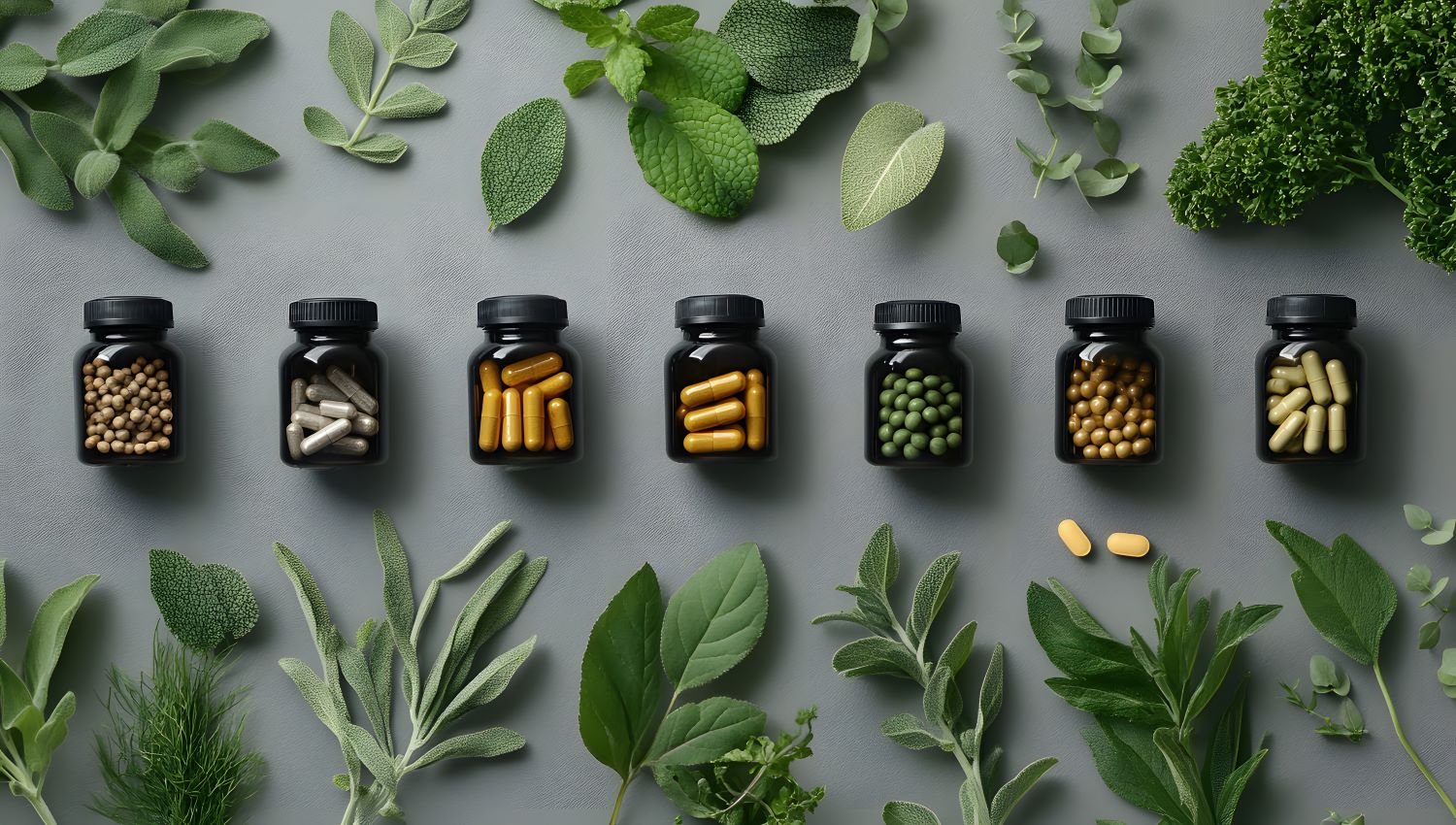
 by
by