No products in the cart.
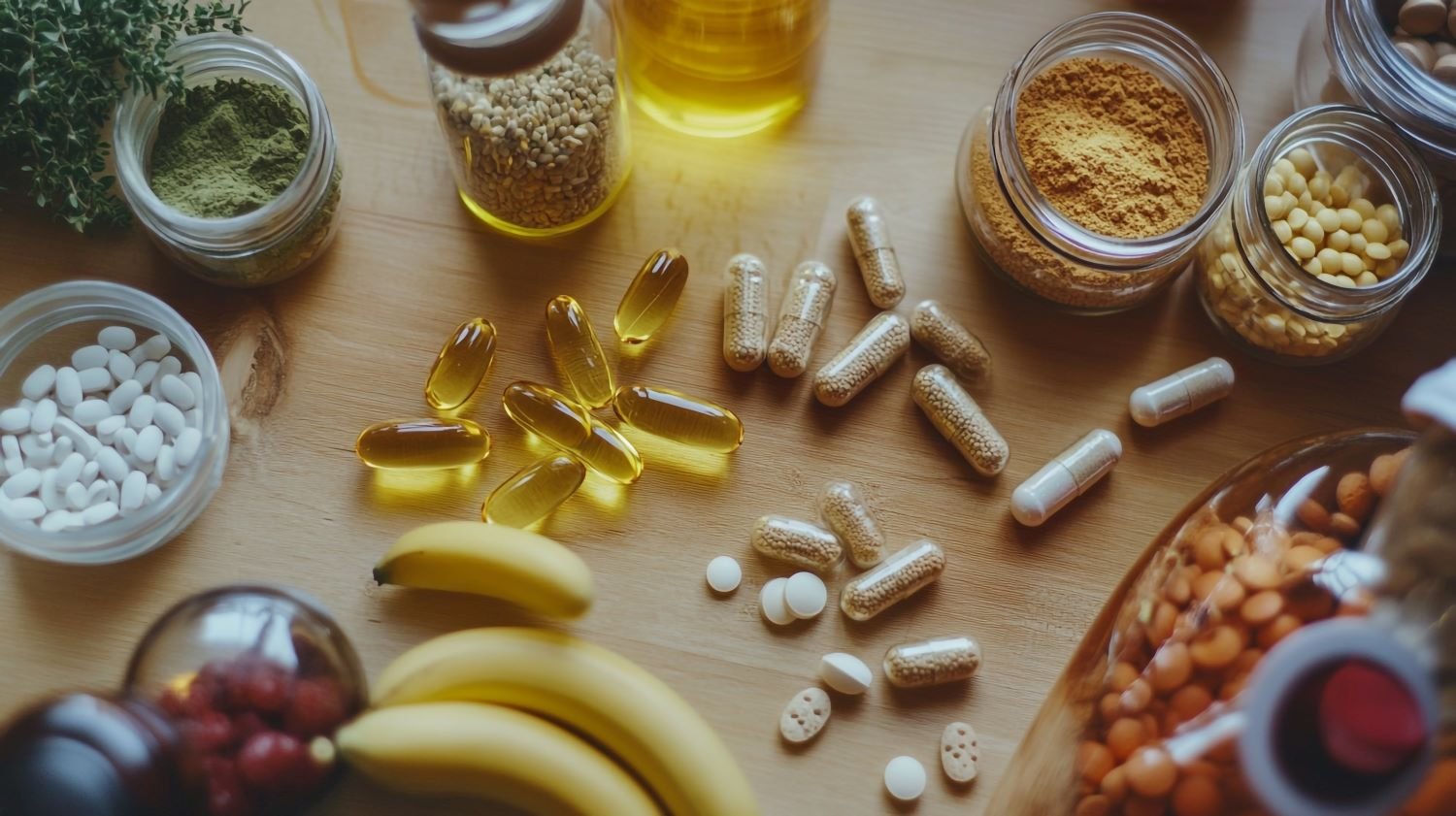 02Oct
02Oct 



Food Combinations: Beneficial and Harmful. Smoothies and Power Bowls offer a delicious, healthy, and easy way to incorporate fruits and vegetables into your diet and protein intake. But are all fruit and/or vegetable combinations a good choice?
What researchers say:
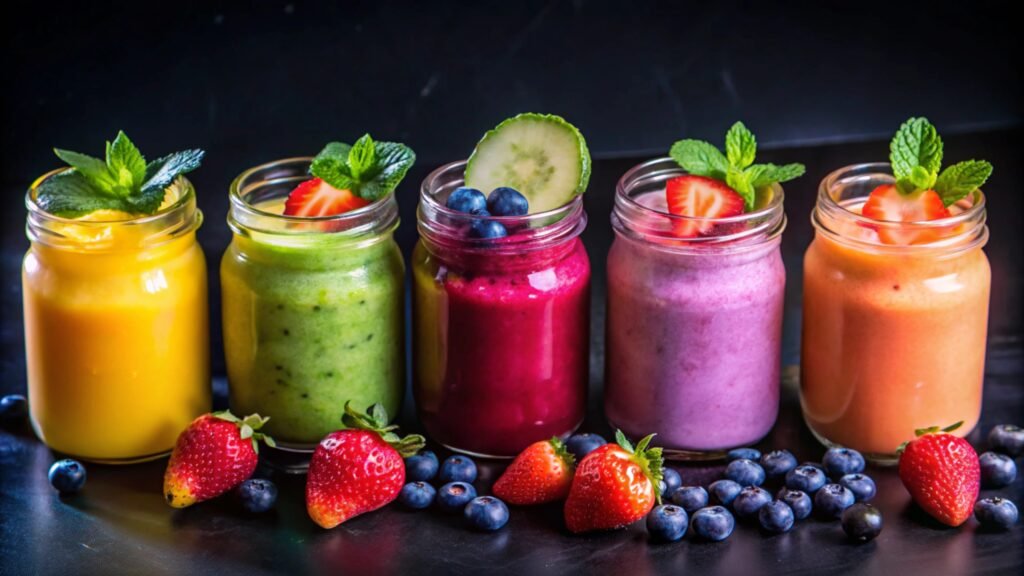
New research from the University of California Davis suggests that mixing certain foods in smoothies/ Power Bowls and generally on your plate can negatively affect the absorption of nutrients, cause digestive problems, and generally have a negative impact on your health.
What new research shows about smoothies and bananas
Researchers have discovered that the enzyme polyphenol oxidase or phenolase in certain fruits, such as bananas, can reduce the absorption of heart-healthy flavanols, especially when combined with flavanol-rich ingredients such as berries. The study suggests choosing ingredients with low PPO activity, such as pineapple or oranges, when making smoothies to optimize flavanol absorption.
The study, recently published in the Royal Society of Chemistry’s Food and Function journal, used smoothies to test how different levels of polyphenol oxidase, an enzyme found in many fruits and vegetables, affect the levels of flavanols in food and their absorption by the body. Flavanols are a group of bioactive compounds that are good for heart and cognitive health and are found in apples, pears, blackberries, blueberries, grapes, and cocoa (common ingredients in smoothies).
Blood and urine samples were analyzed to measure how many flavanols were present in the body after ingesting the smoothie samples and the capsule. The researchers found that those who drank the banana smoothie had 84% lower levels of flavanols in their bodies compared to those who did not drink the banana smoothie.
Last year, the Academy of Nutrition and Dietetics issued a dietary recommendation to consume 400 to 600 mg of flavanols daily for better cardiometabolic health. Ottaviani said that those trying to consume these flavanols should prepare smoothies combining flavanol-rich fruits such as berries with other ingredients that have reduced PPO, such as pineapple, oranges, mangoes, or yogurt.
He also said that bananas remain an excellent fruit to eat or consume in smoothies. For those who want to consume smoothies with bananas or other fruits and vegetables with high PPO content, such as beetroot, the recommendation is not to combine them with fruits rich in flavanols, such as berries, grapes, and cocoa.
The findings of this study are important for future research on how other foods are prepared and the effects on flavanols. Ottaviani said that tea is an important dietary source of flavanols and, depending on how it is prepared, has different bioavailability of flavanols.
Με αφορμή την συγκεκριμένη έρευνα παραθέτω κάποιους ωφέλιμους και μη συνδυασμούς τροφών:
Beneficial combinations:
The combination of honey, turmeric, black pepper, Ceylon cinnamon, unfiltered apple cider vinegar, and ginger has beneficial health properties. It is commonly used to make a drink. Turmeric contains curcumin, a compound with powerful anti-inflammatory and antioxidant properties. Black pepper increases the absorption of turmeric. Unfiltered apple cider vinegar plays an important role in improving digestion, regulating blood sugar levels (insulin sensitivity), has antioxidant properties, and aids in weight/fat loss. Honey adds flavor and has antibacterial properties. Ginger is known for its anti-inflammatory, antioxidant, and antimicrobial properties.
Broccoli with arugula, as arugula enhances the absorption of broccoli’s nutrients. Specifically, arugula contains the enzyme myrosinase, which helps absorb sulforaphane, a substance with anti-cancer properties found in broccoli.
Fresh mustard with broccoli or cauliflower for pretty much the same reasons.
Lemon in coffee (a thin slice of lemon on top of the cup when the espresso is poured) sharpens focus/thinking and reduces stomach bloating.
Milk with turmeric removes waste from the colon more easily and helps reduce inflammation.
Milk with Ceylon cinnamon boosts metabolism and helps detoxify the liver.
Tomato with honey moisturizes the skin and helps fight acne.
Watermelon with salt provides energy (electrolytes), is excellent for training (contains L-citrulline and sodium), and helps reduce belly fat.
Spinach with lemon.
Benefits
Better iron absorption – spinach contains plant-based iron, but vitamin C (lemon) is needed for it to be properly absorbed by the body.
Antioxidant action – the vitamin C in lemon enhances the antioxidant action of spinach.
Cardiovascular health – spinach helps regulate blood pressure, while lemon helps lower cholesterol.
Detoxification & digestion – a combination that helps the liver and digestive system function properly.
Energy & endurance – ideal for athletes, due to iron + vitamin C.
Serving suggestions
Fresh salad: Spinach, a little olive oil, and fresh lemon.
Green smoothie: Spinach, apple, cucumber, and lemon juice.
Post-workout salad: Spinach, quinoa, pomegranate, chicken, and lemon dressing.
Banana with black pepper helps detoxify the liver and reduces flatulence. Flatulence is a condition in which gas accumulates in the intestine, causing bloating, a feeling of fullness, and pressure in the abdomen. This accumulation of gas can cause discomfort, pain, and increased gas production.
Pineapple with cayenne pepper helps food digest more easily and toxins are removed from the body more easily.
Pineapple with protein is a good addition to a balanced meal (especially as a post-workout snack with whey ISO) or snack. Pineapple contains the enzyme bromelain, which can affect the digestion of proteins, especially in dairy products, but this is not a problem when combined with other protein sources such as yogurt or cottage cheese, or when consumed with protein powder. Bromelain can also help muscles recover after intense exercise or injury, as it has anti-inflammatory properties and aids recovery. It can also reduce muscle pain and stiffness.
Mango with turmeric (juice).
Benefits
Strong antioxidant action – mangoes contain vitamin C and beta-carotene, while turmeric contains curcumin, which together protect against inflammation.
Anti-inflammatory & anti-cancer action – turmeric is one of the most powerful natural anti-inflammatories.
Liver detoxification – they contribute to the proper functioning of the liver.
Energy & immune system – the perfect combination for stimulating the body.
Joint support – curcumin helps with pain and stiffness.
Serving suggestions
Golden smoothie: Mango, half a teaspoon of turmeric, a little ginger, coconut/almond milk, and honey.
Detox juice: Mango, orange, lemon, and a pinch of turmeric.
Afternoon drink: Hot “golden milk” with turmeric + mango puree for a sweeter taste.
Pineapple with cucumber. We usually find them in smoothies/juices but also in salads. Their combination helps hydrate the body (they have a high water content, 95-97% for cucumber and 86% for pineapple) and cleanse the intestines. Pineapple is rich in vitamin C and bromelain and aids digestion, while cucumber hydrates and detoxifies.
Green tea with ginger.
Benefits:
Boosts metabolism – green tea contains catechins and caffeine, which speed up metabolism, while ginger increases thermogenesis.
Detoxification – helps remove toxins and improve digestion.
Immune system – ginger has anti-inflammatory properties, while green tea is full of antioxidants.
Anti-stress – the combination is mild but invigorating, helping with clarity and concentration.
Cardiovascular health – they help regulate cholesterol and blood pressure.
Serving suggestions:
Hot drink: Green tea with thin slices of fresh ginger and a little honey.
Cold drink (detox): Green tea, ginger, lemon slices, and mint – ideal for summer.
Pre-workout boost: Green tea + ginger + a little honey, 30-40 minutes before training for natural energy.
Yogurt with banana can be a good source of probiotics. Yogurt is a source of probiotics, while bananas can act as a prebiotic, feeding the beneficial bacteria in the gut.
Avocado with cocoa powder improves brain function and this combination also helps fight acne.
1 egg with 1 teaspoon of black cumin oil, mainly for arthritic conditions and more. It has anti-inflammatory properties and can help reduce pain and inflammation in the joints, according to Omegapharmacy. Black cumin oil has many beneficial properties, such as anti-inflammatory (it contains thymoquinone), antioxidant (it helps protect the body from damage caused by free radicals), antimicrobial (it has been shown to have antibacterial and antifungal properties), and immune-boosting (it helps strengthen the immune system) properties. It can be used for skin care, hair strengthening, and relief from various conditions. It also helps fight skin conditions such as eczema, psoriasis, and acne, while moisturizing the skin, hydrating the scalp, combating dry skin, and strengthening hair, preventing dryness and split ends. It relieves coughs, asthma, and other respiratory conditions, has been shown to have a preventive effect against infections and allergies, can help relieve gas in the stomach and intestines, while improving peristalsis, has been shown to have hepatoprotective and nephroprotective effects.
Whey protein (25g) with collagen (5g) increases the synthesis rates of myosin and muscle connective proteins by up to 33%. This effect stems from collagen’s unique amino acid profile—particularly its glycine and proline content—which may support connective tissue repair and overall muscle function.
Coconut oil with rice. Blood sugar levels are reduced, fat storage is reduced, and gut health is improved. Adding 1-2 teaspoons of coconut oil when cooking rice can reduce digestible carbohydrates by up to 15%. A 2015 study found that the oil binds to starch, reducing its glycemic impact. Allow it to cool after cooking to enhance the resistant starch and further reduce sugar spikes.
Avocado with egg. Accelerates cell repair and reduces belly fat. Avocados are rich in healthy fats, while eggs are packed with protein, making them a powerful combination for metabolism and recovery.
Sweet potato with cinnamon. It reduces inflammation in the body and improves digestion. The fiber in sweet potatoes keeps blood sugar stable, while cinnamon helps regulate glucose and calms the intestines.
Walnuts with blueberries. They help with memory and slow down aging. Blueberries are full of antioxidants, and walnuts add omega-3s that protect brain cells and fight oxidative stress.
Chia seeds with coconut water. Soothes the stomach and boosts hydration. Chia seeds retain water in gel form, while coconut water provides electrolytes, flooding your cells with lasting hydration.
Water with honey. A 2024 study found that consuming 70g of honey in 250ml of water 90 minutes before training reduced muscle soreness by 30%, increased lower body strength in just 2 days, and improved energy and reduced fatigue due to natural antioxidants and enzymes that reduce inflammation. Remember that simple carbohydrates restore muscle glycogen! Of course, 70g of honey is not a small amount.
Lycopene with olive oil. Lycopene (found in tomatoes, papaya, and sweet red peppers) is a powerful antioxidant that belongs to the carotenoid family. As an antioxidant, it protects us from free radicals and oxidative stress. This is particularly important as we know that oxidative stress is directly linked to chronic diseases such as cancer, diabetes, cardiovascular disease, and Alzheimer’s. It has been proven that adequate lycopene intake is associated with a 32-50% lower risk of lung cancer and prostate cancer. Lycopene also contributes to heart health. Studies show that lycopene reduces damage caused by free radicals, helps lower LDL “bad” cholesterol, and increases HDL “good” cholesterol. At the same time, lycopene also appears to protect our skin from solar radiation. According to a recent study, a daily intake of 8-16mg of lycopene reduced skin irritation after exposure to ultraviolet radiation by 40-50%! The combination of lycopene and olive oil significantly increases the absorption of lycopene by our body, as when consumed on its own, it is absorbed at a lower rate.
Plant-based iron and vitamin C. Iron is found in food in two forms:
Heme (animal-based iron)
Non-heme (plant-based iron)
Non-heme (plant) iron is absorbed to a lesser extent than heme (animal) iron. More specifically, the bioavailability of iron is approximately 14% to 18% from mixed diets that include meat consumption and 5% to 12% from vegetarian diets. Vitamin C converts the insoluble form of iron into its more soluble form, resulting in a significant increase in the absorption of plant-based iron (non-heme) by our body. So, if you want to absorb the maximum amount of iron from plant sources, all you have to do is combine it with foods rich in vitamin C.
For example,
Combine lentils with a medium-sized orange
Combine spinach with a salad containing red peppers
Eat broccoli with tomatoes or cherry tomatoes (and olive oil for lycopene)
Add lemon or vinegar to legumes
Plant iron and animal factor. By combining an animal food with a plant food rich in iron, iron absorption increases significantly. The mechanism is the same as that of vitamin C. So if you want to get the maximum amount of iron from a plant-based food, combine it with an animal-based food. For example
Accompany legumes with a boiled egg.
Add a little tuna or other fish to spinach.
Eat legumes in a salad, combined with peppers and a little tuna.
Why not follow both strategies?
Of course, you can apply both of the above tactics. So you can combine a plant source of iron with vitamin C and an animal source. For example, you can eat lentils with a boiled egg and a small orange!
Where can I find plant-based iron?
Good sources of plant-based iron include foods such as:
White beans (8mg/cup)
Dark chocolate (7mg/85g)
Lentils (6mg/cup)
Spinach (6mg / cup)
Tofu (6mg / cup)
Peas (4mg / cup)
Calcium and vitamin D. Calcium is involved in many processes in the human body, from the transmission of nerve signals to the health of blood vessels and the creation and strengthening of bones, for which it is “famous.” In fact, calcium plays a particularly important role in bone formation and reconstruction after menopause, as bones become more fragile and prone to fractures. This is why women over the age of 50 are recommended to take 1,200 mg of calcium per day. Vitamin D (the absorption of which is greatly aided by vitamin K2 and magnesium) helps the body absorb the calcium we consume. In fact, calcium absorption is only satisfactory if there is sufficient vitamin D in the body, otherwise only 10-15% of calcium is absorbed. With sufficient vitamin D, calcium absorption increases to 30%–40%!
Plant proteins and cereals. Unlike animal proteins, plant proteins do not contain all the essential amino acids (EAAs) and are classified as proteins of low biological value. The amino acids (also called limiting amino acids) that are missing from plant proteins are:
Lysine
Methionine
Threonine
However, there is a combination that works:
The complementary proteins resulting from this combination contain all the “essential amino acids” in appropriate quantities and proportions. So combine plant foods with each other to consume complementary proteins that are equally high in biological value.
For example, you can combine:
Legumes with rice (lentils, chickpeas)
Toast (whole wheat bread) with peanut butter or tahini
Tofu with rice
Hummus with whole wheat bread or tortilla
Noodles with tofu
Falafel with tortilla, etc.
However, it is important to emphasize the following. Supplementary proteins do not need to be consumed together. It is therefore not necessary for the combination to occur in the same meal. This is due to the “amino acid pool” that exists in our body. As long as the meals of the day provide all the necessary amino acids, our body can use them to synthesize the proteins it needs.
Grilled meat and lemon and/or rosemary. If you often eat grilled meat (especially barbecued meat), it is good to know that during the heat treatment of meat, especially at high temperatures, so-called heterocyclic amines are formed. These are chemicals that form when meat, including beef, pork, fish, or poultry, is cooked at high temperatures, such as frying or grilling. Consuming these chemicals has been linked to the development of cancer! So, by combining meat with lemon and/or rosemary (rich in antioxidants), you can protect your body from heterocyclic amines and their negative effects.
Rice with legumes (e.g., lentils, chickpeas). This combination aids in the digestion of legumes and provides the body with high biological value protein.
Pasta with vegetables. This combination contributes to the smooth assimilation of carbohydrates, stable blood sugar levels, and the prevention of postprandial hyperglycemia.
Meat with vegetables and foods rich in fiber. Fiber limits the absorption of saturated fats by the intestine and can thus reduce the potential burden on the body from high consumption of “bad” fats.
Eggs with cheese. Your body needs vitamin D to absorb calcium, which is essential for bone health, but few foods contain it. Egg yolks are a good source of vitamin D, so feel free to pair your egg with any low-fat cheese.
Green leafy vegetables with olive oil. Vitamin K, found in green leafy vegetables, protects your bones and regulates blood clotting. However, because it is a fat-soluble vitamin, it cannot be effectively absorbed by your body without a source of fat. So eat your salad with olive oil to benefit from the nutritional value of vegetables. Alternatively, you can add avocado or nuts.
Honey with Ceylon cinnamon.
Benefits:
Immune system boost – honey has antimicrobial properties, while cinnamon is a natural antiseptic.
Regulates blood sugar & energy – Ceylon cinnamon helps stabilize blood sugar, preventing energy “ups and downs.”
Cardiovascular protection – they help lower cholesterol and promote good blood circulation.
Anti-inflammatory action – they help with joint pain and inflammation.
Well-being & mood – cinnamon stimulates the brain, honey provides natural energy.
Practical ideas
Morning boost: 1 teaspoon of honey with half a teaspoon of Ceylon cinnamon in lukewarm water.
Pre-workout snack: Sliced apple with honey & cinnamon on top.
Wellness drink: Hot herbal tea with honey and a little cinnamon.
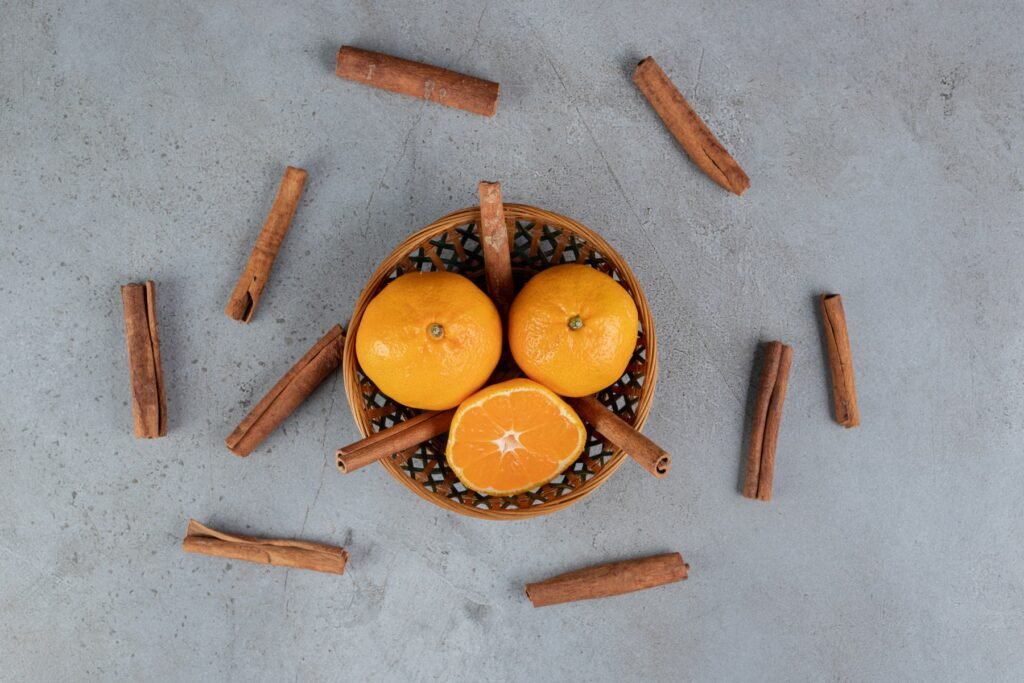
Sauerkraut with meat. Sauerkraut is a food produced by fermenting cabbage and has many health benefits. It is rich in probiotics, vitamins, and minerals, and offers benefits such as improved digestion, immune system support, and anti-inflammatory properties.
Beneficial combinations with Matcha tea.
Matcha + lemon → enhances antioxidant activity & catechin absorption.
Matcha + almond/oat milk → classic matcha latte, mild and satisfying.
Matcha + honey → natural sweetness and energy boost.
Matcha + mint → refreshing and detoxifying drink, ideal for summer.
Matcha + orange → flavor + vitamin C for better stimulation.
Matcha + ginger → powerful pre-workout drink with anti-inflammatory action.
Beetroot with protein and/or vegetables. Beetroot is one of the most nutritious vegetables and can be combined with various foods to enhance its nutritional benefits. The right combination helps improve the absorption of vitamins, minerals, and phytonutrients.
Apple with 1 small beetroot and 2 carrots (juiced). Detoxifies the kidneys and liver, prevents tumor growth, improves thyroid conditions, and aids in weight loss. Depending on the goal and sport, it is also used as a training/pre-competition drink.
Pineapple with cucumber and celery root (in juice). On an empty stomach in the morning, it improves flatulence and digestion, hydrates the body, and supports the immune system.
Ginger with garlic (in juice). It helps remove parasites from the body more easily and aids in detoxifying the liver.
Papaya with lemon (juice). It reduces flatulence and significantly aids collagen production.
Veal with broccoli. It creates the perfect combination to enhance iron absorption and support energy levels. Iron from beef works best when combined with vitamin C from broccoli, turning this classic combination into a source of nutrients.
Turkey with Brussels sprouts. It provides lean protein and nutrients that support the immune system in one meal. Turkey fuels muscle recovery, while Brussels sprouts provide vitamin C and antioxidants that help boost your immune system.
Lamb with carrots. Provides a nutrient-rich combination that supports the immune system and healthy vision. Lamb provides zinc and protein for immune function, and carrots provide beta-carotene, which your body converts to vitamin A.
Salmon/tuna/sardines with asparagus. Gives your body a powerful boost for brain health and digestion. The omega-3s in salmon nourish your brain, while asparagus adds fiber and folic acid to aid in smooth digestion.
Chicken with spinach. This is an excellent choice for muscle support and stronger bones. The protein in chicken helps repair and build muscle, while spinach contributes magnesium and vitamin K for bone strength.
Kiwi fruit with cucumber (in juice). It hydrates the body (cucumber contains 95-97% water and kiwi fruit 83-85%) and helps eliminate toxins more easily.
Pomegranate with beetroot.
Benefits:
Improved blood circulation: Beetroot contains nitrates that improve blood flow, while pomegranate has antioxidants that protect blood vessels.
Increased endurance & energy: This combination helps athletes and people who exercise, as it improves performance.
Supports cardiovascular health: Reduces “bad” cholesterol and blood pressure.
Antioxidant action: Strong protection against inflammation and oxidative stress.
Detoxification & well-being: Helps liver function and general rejuvenation.
Practical application:
A simple natural juice with pomegranate + beetroot + a little lemon can be:
a pre-workout drink for energy, a post-workout drink for better recovery, or a morning wellness boost.
Power Shot with ginger, garlic, lemon/orange juice, and African bitter cola with hot water. Anti-inflammatory, strengthens the body’s defenses, reduces oxidative damage after intense exercise, general anti-fatigue and alertness properties.
Recipe (for 1 serving) Ingredients: 1 piece of fresh ginger (size ~ 2–3 cm) 1 clove of garlic 4 bitter kola nuts 2 tablespoons of lemon-orange juice Hot water (as much as needed to make it smooth)
Instructions: Peel the ginger and garlic. Put the ginger, garlic, and bitter kola in a blender. Add the lemon-orange juice.
Pour in hot (not boiling) water and blend until smooth.
Drink immediately — the effect is powerful and… no-nonsense.
When to drink it
20–30 minutes before a competition, intense training, or any time you need to focus.
One shot, not continuously — this is a “special occasion” shot, not an everyday drink.
Isotonic drinks with electrolytes.
Natural electrolytes are inorganic salts and minerals that dissolve in body fluids and play a key role in hydration, nerve conduction, and muscle function.
The main electrolytes are:
Sodium (Na⁺) → regulates fluid balance.
Potassium (K⁺) → helps muscles and heart function properly. Calcium (Ca²⁺) → essential for muscle contraction and bone formation. Magnesium (Mg²⁺) → involved in hundreds of biochemical processes. Chlorine (Cl⁻) → maintains acid-base balance.
Phosphorus (PO₄³⁻) → energy and cells.
Natural sources of electrolytes: Coconut water → rich in potassium and sodium.
Natural sources of electrolytes: Coconut water → rich in potassium and sodium.
Spinach, dark leafy vegetables → magnesium & calcium.
Dairy products → calcium & phosphorus.
Salt (natural, unprocessed) → sodium & chlorine.
Nuts & seeds → magnesium & potassium.
Natural Isotonic Drinks with Electrolytes:
Materials:
500 ml water
Juice from 1 lemon
1 tbsp honey
1/4 teaspoon unrefined sea salt
Benefits:
Hydration, quick energy from honey, sodium & potassium for fluid balance.
Materials:
300 ml coconut water
Juice from 1 orange
200 ml water
1 pinch of salt
Benefits:
Coconut water is a natural source of potassium and magnesium. Oranges provide vitamin C and additional potassium.
Materials:
500 ml water
3-4 slices of cucumber
1 teaspoon honey or agave syrup
A few fresh mint leaves
1/4 teaspoon salt
Benefits:
Refreshing, helps with recovery after training, rich in electrolytes and antioxidants.
Combinations with beetroot:
a) Beets are rich in nitrates → they improve circulation and athletic performance. Consuming beetroot can improve running and cycling performance, increase endurance, and enhance oxygen utilization, leading to overall better exercise performance. Studies show that the nitrates in beetroot can increase athletic performance—especially during high-intensity exercise—by reducing the body’s oxygen requirements. This is why athletes often consume beetroot juice as a pre-workout drink (300-400ml).→ They help patients with heart failure. One study examined the effect of nitrates in the form of beetroot juice supplements on the exercise capacity of eight patients with heart failure and reduced ejection fraction (a condition in which the heart muscle does not contract effectively and cannot supply enough oxygenated blood to the body). The researchers found that the beetroot juice supplement resulted in significant increases in maximum oxygen uptake during exercise. Another study found that patients with heart failure who consumed concentrated beetroot juice (300-400ml) had a 13% increase in muscle strength in the knee extensor muscle two hours later.
→ improve brain function. Dietary sources of nitrates may help increase blood flow to the brain in older adults and slow cognitive decline. One study found that when participants consumed a nitrate-rich diet that included beet juice, their brain MRIs showed increased blood flow in the frontal lobes, which are associated with thinking and behavior.
b) It contains iron, folic acid, magnesium, potassium, and vitamin C.
c) Powerful antioxidants (beta-cyanins)
Ideal combinations of patzari:
With foods rich in vitamin C
It enhances the absorption of iron from beetroot.
Combinations: beetroot + orange, lemon, kiwi, or pepper.
With healthy fats
Fat-soluble antioxidants are best absorbed with a little fat.
Combinations: beetroot with olive oil, tahini, avocado, or nuts (a good choice is a salad with yogurt, olive oil, garlic, and raw walnuts).
With green leafy vegetables
They supplement folic acid, magnesium, and fiber.
Combinations: beetroot + spinach, rocket, lettuce.
With protein sources
For better satiety and a balanced meal.
Combinations: lentils with chickpeas (preferably red), with feta cheese, with low-fat yogurt, with chicken.
With carrots and/or apples (in a salad or juice)
They boost antioxidants and improve taste.
What to watch out for:
Beets contain quite a lot of sugar, so those with diabetes should consume them in moderation.
It is best consumed raw (in salads or smoothies) or lightly steamed to preserve its nutrients.
Combinations to avoid:
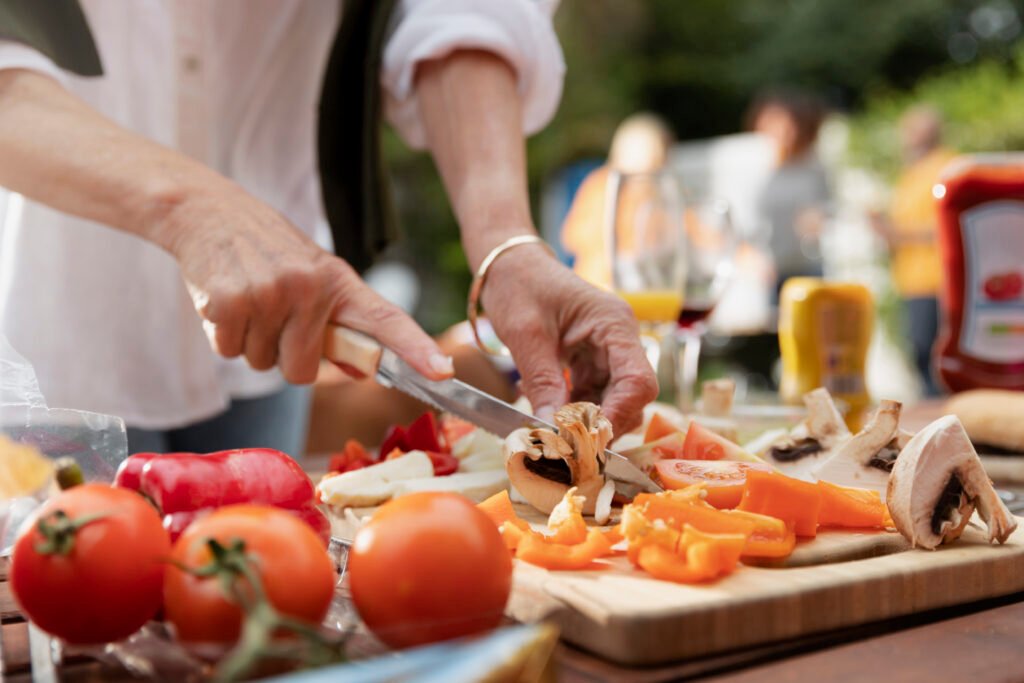
Fruit salads are refreshing, healthy, and low in calories, but are all fruit and vegetable combinations beneficial? Do they all go well together, or do we risk digestive problems if we don’t make the right combinations?
Avoid combining fruits that are high in protein and high in starch. Some fruits are naturally high in starch, such as various types of bananas, dried figs, and apples. It is best not to combine these fruits with fruits that are high in protein, such as guava, dried apricots, kiwi, avocado, and blueberries. The reason is that the body needs an acidic base to digest proteins and an alkaline base to break down starch, and combining the above does not help.
Do not eat watermelon and melon with other fruits. Melon and watermelon are digested faster than other fruits and have a high water content. Combining them with other fruits can affect their digestion.
Do not combine acidic fruits with sweet fruits. Acidic and subacidic fruits such as grapefruit, strawberries, apples, pomegranates, and peaches should never be combined with sweet fruits such as bananas and raisins. Such combinations often lead to digestive problems such as nausea, headaches, and acidosis (excess acid in the blood).
Do not combine papaya and lemon. It may sound like a strange combination, but it is not unusual, especially abroad. However, it is not a good idea, as it can cause anemia and hemoglobin imbalance, among other things. It can even be dangerous, especially for children.
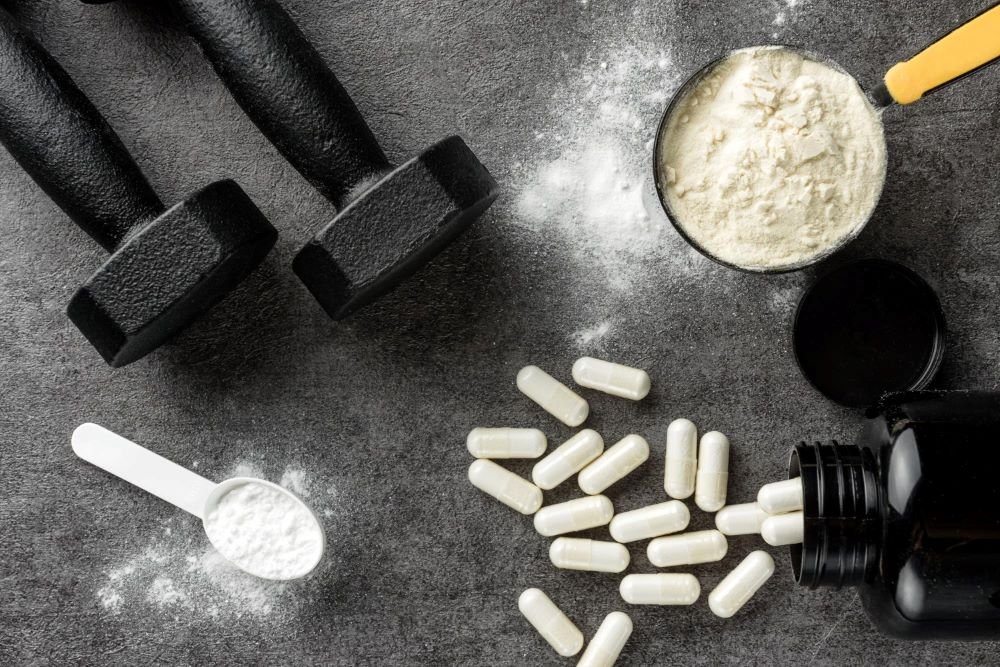
Do not combine creatine with caffeine. A 2022 study found that combining creatine and caffeine in one supplement reduces the effectiveness of your creatine supplement, leading to slower muscle growth. Creatine and caffeine have opposite effects on calcium handling. Creatine increases calcium reuptake into muscle cells, while caffeine intake releases more calcium. Caffeine also acts as a diuretic, causing us to lose weight from fluids, while creatine aims to increase water in the muscle. Creatine, as is well known, causes water retention, but mainly intracellularly, i.e. within muscle cells, and not extracellularly, which would lead to bloating. This intracellular water retention helps muscles look fuller and also improves performance and recovery.
Do not combine iron with caffeine (coffee/tea). According to the results of studies, caffeine and polyphenols in coffee can lead to a reduction in iron absorption of up to 39%! No reduction in iron absorption was observed when coffee was consumed one hour before a meal! However, the same degree of reduction in absorption was observed when coffee was consumed one hour after a meal. Tea appears to have a similar, even stronger effect. Consumption of tea, which is rich in polyphenols, reduced iron absorption by 64% in the above study!
Do not combine red meat with cheese, especially yellow cheese (e.g., beef with kefalograviera). This combination increases your intake of saturated fat and tires the liver.
Do not combine carbohydrates with carbohydrates, especially when they are processed or have a high glycemic index (e.g., potatoes with pasta or white bread with white rice). Combining them causes a sharp increase in blood sugar levels, thereby increasing insulin secretion and contributing to the rapid reappearance of feelings of fatigue and hunger.
Do not combine fish and seafood with cheese or eggs to avoid developing an intolerance or allergy to these foods.
Do not combine legumes with cured meats or salted fish (e.g., lentils with salami or beans with salted herring). This combination contributes to an increase in uric acid levels in the body.
Do not combine coffee and caffeinated beverages (black tea, cola-type soft drinks, etc.) with food. Caffeine can negatively affect the absorption of nutrients such as calcium.
In general, bad food combinations are:
Proteins and carbohydrates: The combination of proteins (e.g., meat) and processed carbohydrates (e.g., sugar) makes digestion difficult, as they require different environments in the stomach.
Fruit with other meals: It is recommended to eat fruit separately, as consuming it with other foods can cause fermentation and indigestion.
Foods rich in phytic and oxalic acid (such as spinach, okra, leeks, parsley, beets, black rice, bran, oregano) with foods rich in calcium and iron: These combinations can reduce the absorption of calcium and iron.
Foods rich in salt with foods rich in calcium: Salt increases the excretion of calcium from the body.
Foods rich in iron and foods rich in calcium: Combining them can inhibit iron absorption and bioavailability by up to 10.2%!
SOURCE: https://nikolaidistraining.com/%cf%89%cf%86%ce%b5%ce%bb%ce%b9%ce%bc%ce%bf%ce%b9-%ce%ba%ce%b1%ce%b9 -%ce%bc%ce%b7-%cf%83%cf%85%ce%bd%ce%b4%cf%85%ce%b1%cf%83%ce%bc%ce%bf%ce%b9-%cf%84%cf%81%ce%bf%cf%86%cf%89%ce%bd/
 03Oct
03Oct  03Oct
03Oct 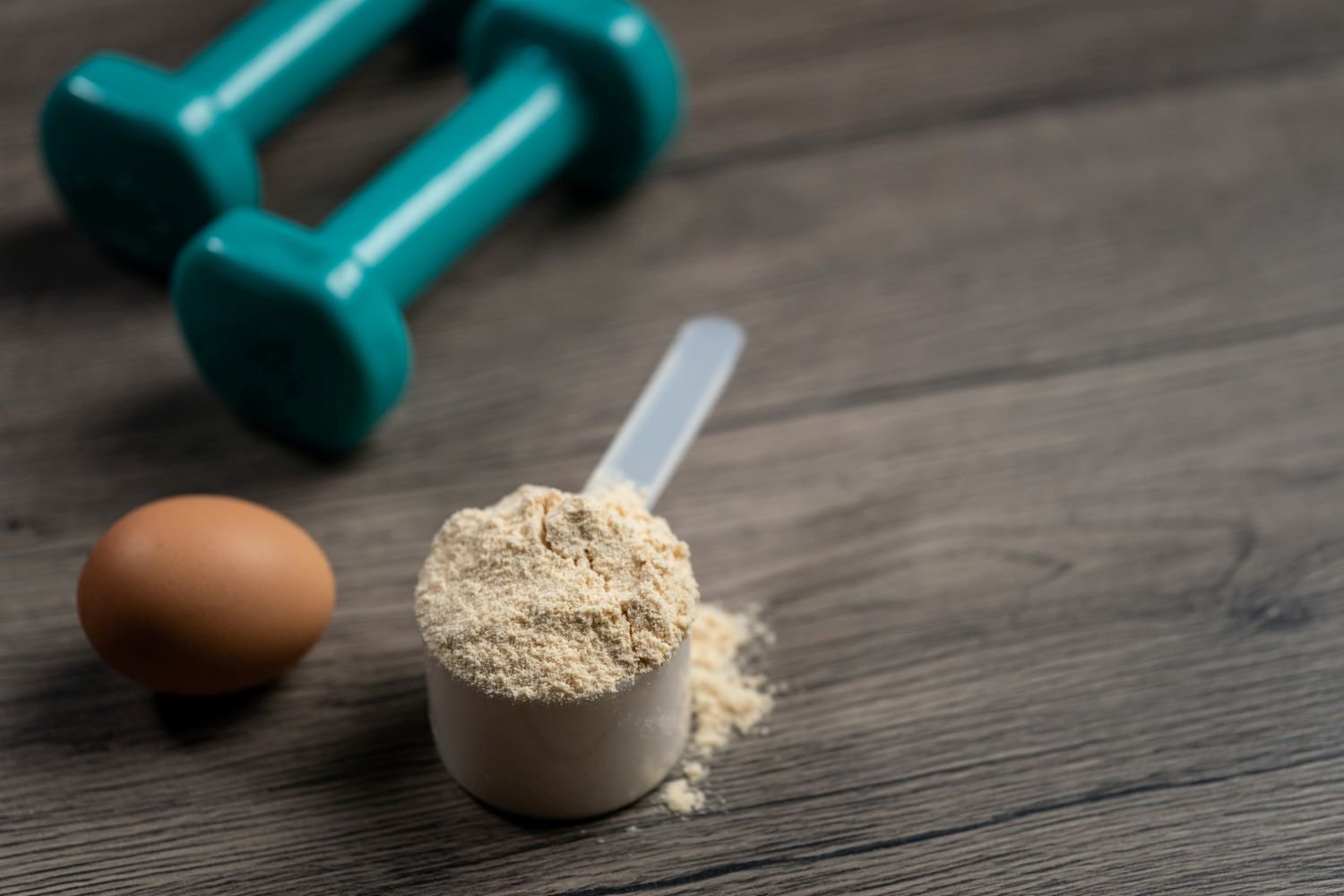 03Oct
03Oct  by
by 
 by
by