No products in the cart.
 02Oct
02Oct 


INSULIN RESISTANCE AND HOW TO DEAL WITH IT
This is a “pandemic” and many people do not give it the attention it deserves, as it is considered “no big deal.” Many of the symptoms end up becoming diseases and can cause life-threatening problems. Taking a pill is not the solution!!!
Yes, there are ways to prevent it. If you are not born with type I diabetes, you can combat and even reverse many of the damages caused by this disorder.
Insulin resistance is a condition in which the body’s cells, particularly muscle, fat, and liver cells, do not respond adequately to insulin. This means that more insulin is needed to achieve the same effect, i.e., the transport of glucose from the blood to the cells.
How insulin works:
Insulin is a hormone secreted by the pancreas that helps regulate blood glucose levels. When we eat, blood glucose levels rise and the pancreas releases insulin. Insulin binds to its receptors on cells and allows glucose to enter them to be used as an energy source.
What happens in insulin resistance:
In insulin resistance, cells do not respond adequately to insulin. As a result, glucose remains in the blood and its levels rise. To compensate for this, the pancreas produces more insulin, leading to hyperinsulinemia.

INSULIN RESISTANCE AND HOW TO DEAL WITH IT
Consequences of insulin resistance:
High blood glucose levels:
This can lead to prediabetes and type 2 diabetes.
Hyperinsulinemia:
Increased insulin production can lead to weight gain, especially in the abdominal area (visceral fat).
Increased risk of cardiovascular disease, stroke, and other health problems:
As mentioned, insulin resistance can lead to various complications.
Polycystic ovary syndrome (PCOS):
Insulin resistance is one of the main factors contributing to the development of PCOS.
INSULIN RESISTANCE AND HOW TO DEAL WITH IT
Factors contributing to insulin resistance:
Lifestyle:
Poor diet, lack of exercise, and increased body weight, especially visceral fat, are associated with insulin resistance.
Genetic predisposition:
A family history of diabetes or other metabolic disorders may increase the risk of developing insulin resistance.
Age:
The risk of insulin resistance increases with age.
Polycystic ovary syndrome (PCOS):
Insulin resistance is one of the main factors contributing to the development of PCOS.
One of the main roles of insulin is to lower blood sugar (glucose) levels. When we eat something, blood sugar levels rise. As glucose levels increase in the blood, the pancreas releases insulin, which transports glucose from the blood into the body’s cells. Glucose is transported into cells by glucose transporters (GLUT), since the cell membrane is impermeable to glucose. Five types of glucose transporters have been described: GLUT 1, 2, 3, 4, and 5.
Type 1 is found in red blood cells, type 2 in liver cells and beta cells of the pancreas. Type 3 GLUTs are mainly found in brain cells, type 4 in muscle and fat cells, and type 5 in small intestine cells. GLUT 4 glucose transporters are very important for understanding type 2 diabetes mellitus. They are expressed in tissues such as muscles and fat, which absorb postprandial glucose through the action of insulin (anabolic hormone). Glucose uptake occurs through the synergistic action of insulin, which mobilizes preformed GLUT-4 cytoplasmic molecules, which are transported to the cell surface. (Nature 493, 241-245, Jan. 2013, J.G. Menting)
This process allows the human body to maintain blood sugar levels within a specific range (75–110 mg/dL) under normal conditions.
How easily cells respond to the insulin signal to take up glucose is called insulin sensitivity.
However, consuming highly processed foods and simple carbohydrates increases insulin secretion. The body’s cells gradually begin to reduce their sensitivity and do not respond to insulin commands.
When cells respond with difficulty and require increasingly larger amounts of insulin to absorb glucose, we have INSULIN RESISTANCE. This is a condition where cells resist insulin’s command to absorb glucose from the blood.
The more the body’s cells resist insulin, the more the pancreas needs to release larger and larger amounts to keep sugar levels within normal limits.
Elevated insulin levels promote inflammation and the onset of diabetes and have been linked to many autoimmune and chronic diseases!
INSULIN RESISTANCE AND HOW TO DEAL WITH IT
Insulin resistance is influenced by:
1) genetic factors
2) percentage of abdominal fat
3) nutrition
4) type of exercise
5) exercise intensity
6) frequency of exercise
7) dietary supplements
8) stress – cortisol
In a trainee/athlete, the lower the insulin resistance, the greater the ability of the muscles to store glycogen (exploiting the anabolic action of insulin).
INSULIN RESISTANCE AND HOW TO DEAL WITH IT
1) Polycystic Ovary Syndrome (PCOS)
2) Metabolic Syndrome (high blood pressure, high blood sugar (glucose), high percentage of abdominal-visceral fat)
3) Alzheimer’s disease
4) Hormonal Disorders (estrogen imbalance)
5) Type II diabetes mellitus (fatigue, elevated blood glucose levels (hyperglycemia), weight loss, polyphagia, polydipsia, dry mouth, itching, increased frequency of infections or fungal infections.
Insulin resistance and metabolic syndrome cause D3 deficiency. Why?
1) When someone has insulin resistance and/or metabolic syndrome, magnesium cannot be absorbed into the cells due to the amount of toxins in the cells.
2) Hyperinsulinemia causes magnesium leakage in the urine, leading to magnesium deficiency. Without magnesium, we do not have sufficient D3, as we know that magnesium is required for the absorption of D3.
INSULIN RESISTANCE AND HOW TO DEAL WITH IT
1) Simple carbohydrates (with a high glycemic index) are ideal ONLY after training to replenish glycogen, but also because insulin secretion will suppress post-workout cortisol (which has anti-inflammatory properties) but
2) When dieting, we prefer low glycemic index carbohydrates because we don’t want constant insulin secretion and the well-known cravings.
3) Glycemic load also plays an important role, which many people do not take into account.
4) Add lean protein to every meal (within the calculated daily grams)
5) First, we eat the salad, then the protein, and then the carbohydrates to moderate the glycemic index (e.g., sweet potatoes, brown rice—complex starchy carbohydrates) and reduce the chances of lipogenesis.
6) Increased intake of dietary fiber in combination with monounsaturated and polyunsaturated fatty acids for slower absorption of carbohydrates, resulting in reduced insulin resistance. However, this should NOT be done after training, as we want to take advantage of the anabolic properties of insulin.
7) Eating frequent meals (every 2-3 hours)
8) EXERCISE with resistance or aerobic training at 65-75% VO₂ Max increases insulin sensitivity for up to 16 hours after training.
9) High-intensity exercise at 80% VO₂ Max improves insulin sensitivity and lowers blood glucose levels for 1 to 3 days after training.
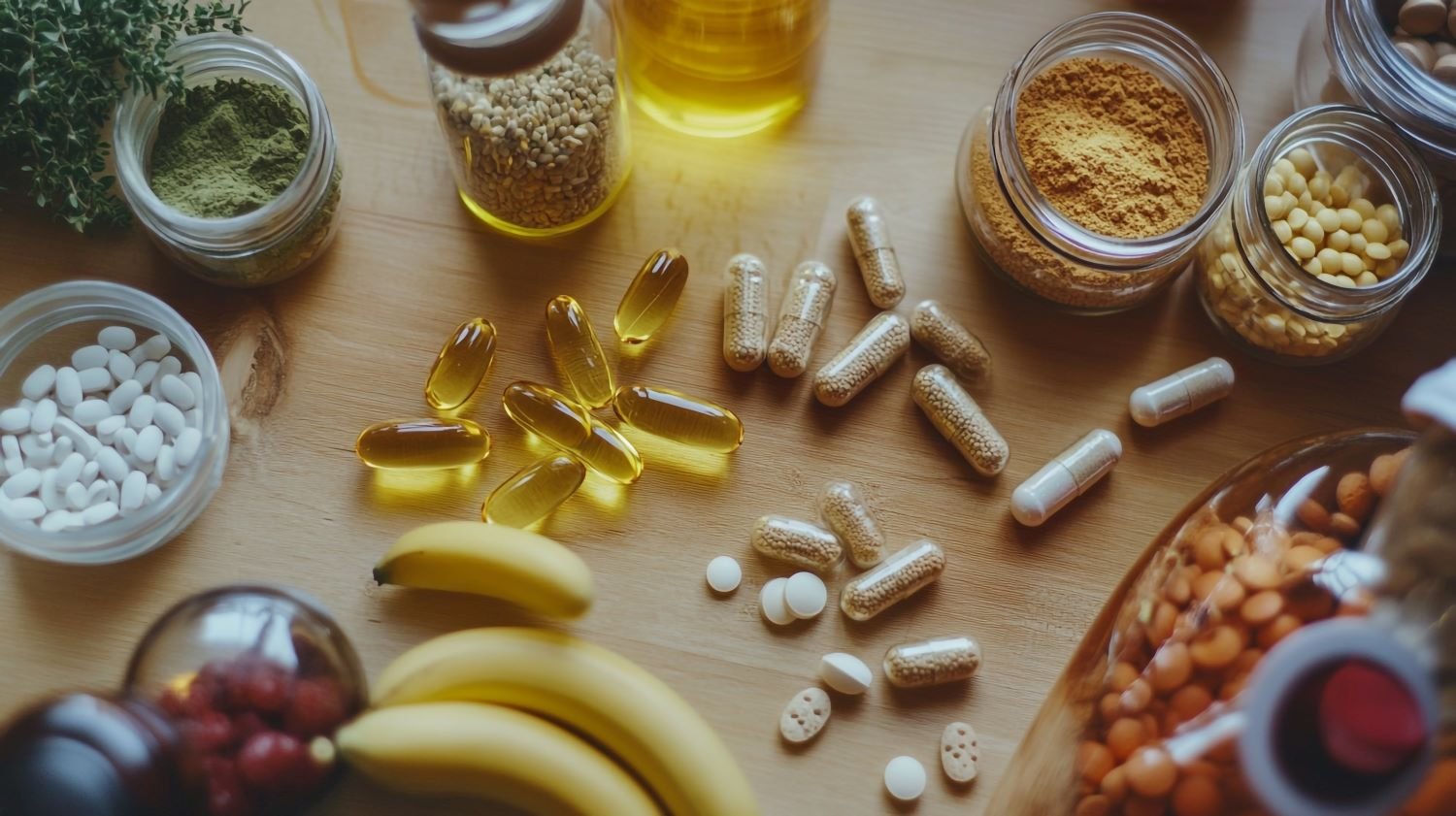
10) Conjugated Linoleic Acid (CLA) = > acts as a lipotropic agent, positively affects glucose metabolism, and has antioxidant properties.
11) Omega-3 fatty acids = > natural anti-inflammatory and have a beneficial effect on insulin sensitivity.
12) Chromium picolinate = > stabilizes blood sugar and suppresses hypoglycemia.
13) Vanadium = > reduces postprandial glucose levels and improves insulin sensitivity.
14) Magnesium=> in cases of insulin resistance is deficient.
15) Resveratrol=> acts as a lipotropic agent, strengthens the muscular system (mitochondria), has anti-inflammatory properties, aids cardiac function, reduces blood sugar levels, and improves insulin sensitivity in patients with diabetes mellitus.
16) Prebiotic=> reduce blood glucose concentration and consequently delay the onset of insulin resistance. Furthermore, it appears that the administration of probiotics to experimental animals caused changes both in the microflora itself and in various tissues associated with energy metabolism, lipid metabolism, and amino acid metabolism.
17) Ceylon cinnamon=> rich in antioxidants and has anti-inflammatory properties. It reduces glucose, triglyceride, and LDL cholesterol levels. Some studies suggest that it may help protect brain function and memory.
18) Berberine=> A natural alkaloid found in various plants, such as barberry, buckthorn, and wild grape, it has been used in traditional Chinese and Ayurvedic medicine for centuries. It has gained popularity as a dietary supplement due to its potential health benefits, such as glucose and lipid regulation, anti-inflammatory effects, and weight loss support.
Benefits and actions:
Blood sugar regulation: Berberine may help lower blood sugar levels and improve insulin sensitivity, making it useful for people with type 2 diabetes.
Heart health:
Research shows that berberine can help lower blood pressure, improve cholesterol levels, and prevent cardiovascular disease.
Weight loss:
Berberine may support weight loss, especially in people with metabolic syndrome, by helping to combat insulin resistance.
Anti-inflammatory action:
Berberine has anti-inflammatory properties that can help relieve various inflammatory conditions.
Digestive system:
Berberine can help improve digestive system function and relieve digestive problems.
You can find berberine in our store at the following link:
https://nutriboost.gr/category/eidika-simplirwmata-ygeias
19) Antioxidants=> Alpha Lipoic Acid (ALA), Vitamin C and E to combat oxidative stress due to insulin resistance.
20) Apple cider vinegar (unfiltered) may improve insulin sensitivity, especially when consumed with carbohydrate-rich meals. This can help regulate blood sugar levels and be beneficial for people with type 2 diabetes or insulin resistance.
How it works:
Improving insulin sensitivity:
Apple cider vinegar can help cells respond better to insulin, allowing for more efficient absorption of glucose from the blood.
Lowering blood sugar:
Studies show that apple cider vinegar can lower blood sugar levels, especially after meals.
Slowing down carbohydrate absorption:
Apple cider vinegar can slow down the digestion of carbohydrates, causing a more gradual increase in blood glucose levels.
MEASUREMENT OF LABORATORY INDICATORS
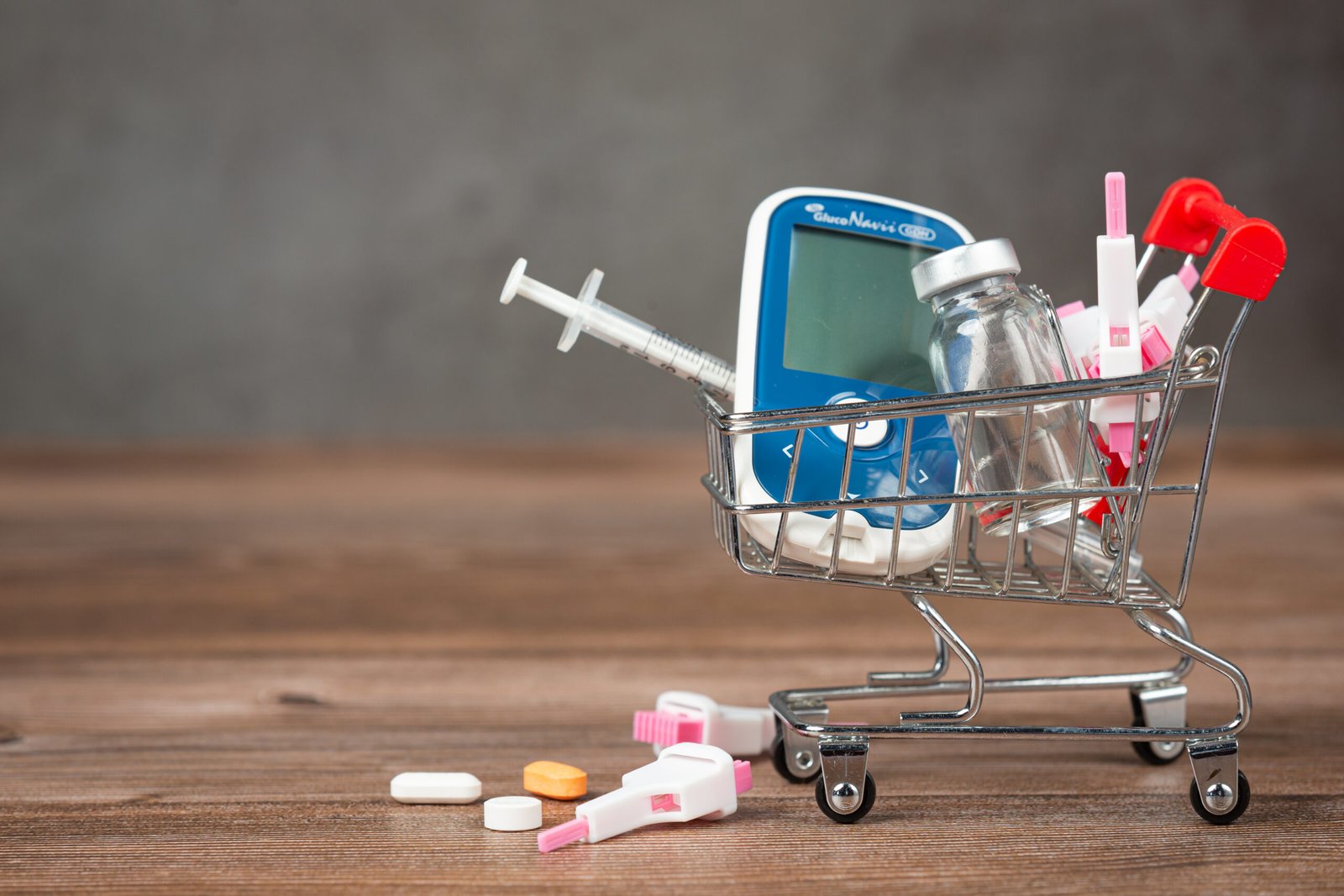
1) Γλυκόζη Νηστείας
2) Postprandial Glucose
3) Insulin
4) Glycated Hemoglobin
5) Lipid Profile
6) Homocysteine
7) Leptin
INSULIN RESISTANCE AND HOW TO DEAL WITH IT
Source:https://nikolaidistraining.com/5-sybtomata-antistasis-stin-insoulin/
 03Oct
03Oct  03Oct
03Oct  03Oct
03Oct  by
by 
 by
by