No products in the cart.
 02Oct
02Oct 


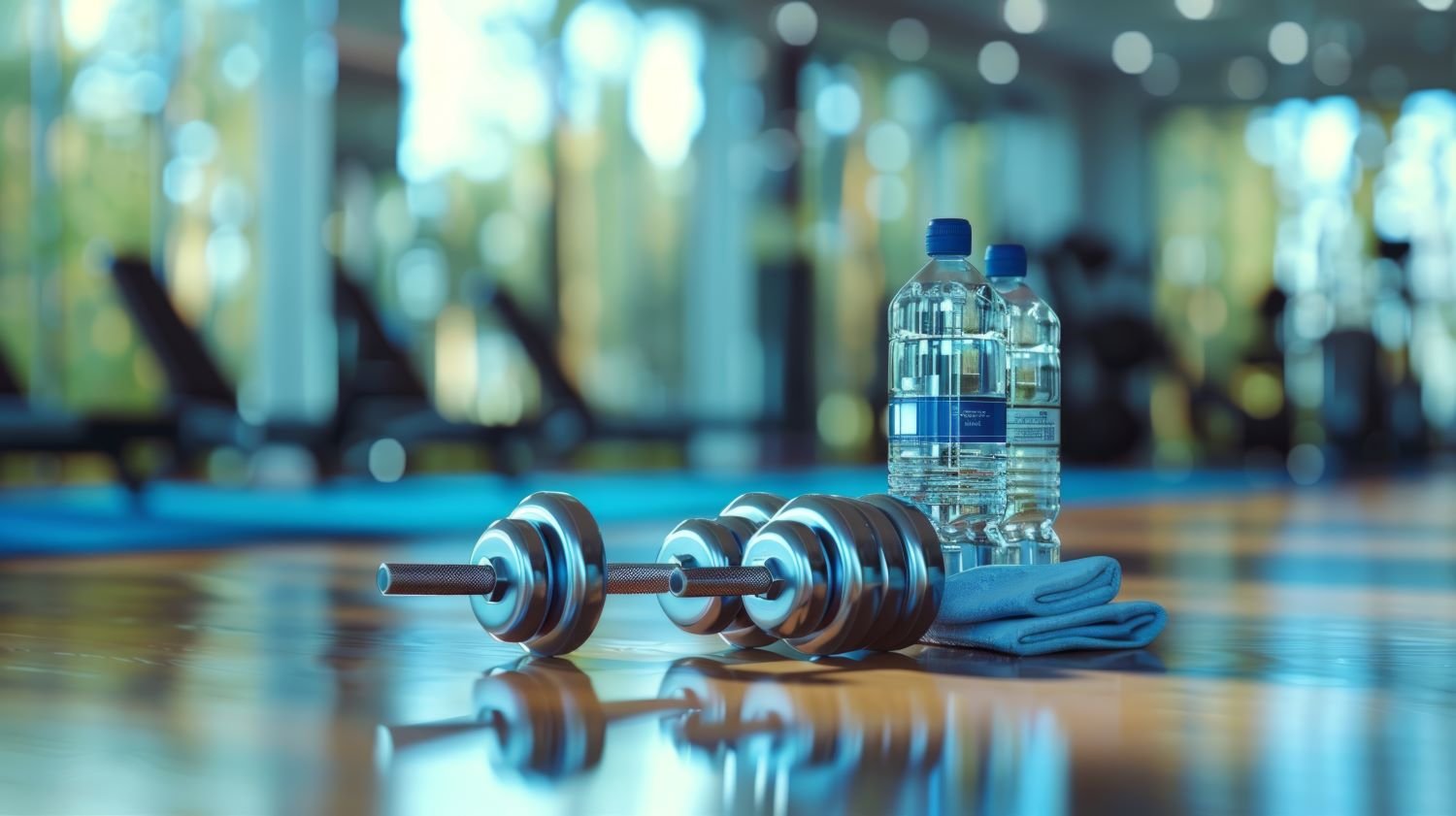
EXERCISE AND HYDRATION: Important reasons to drink water:
Water is the most crucial nutrient for growth and overall health. The fluids in our bodies transport vital nutrients through our arteries. Water molecules also help form the structure of proteins and glycogen. In short, water actively participates in the chemical reactions that keep us alive.
EXERCISE AND HYDRATION: Muscles contain water
An average adult can contain between 35-45 liters of water, which is an average of 50-70% of our body weight. This, of course, depends on each person’s body fat percentage. Fat-free tissues such as muscles contain the highest density of water, with 60-80% of their weight attributable to it. As the primary fluid in the body, it acts as a solvent for minerals, vitamins, amino acids, and many other nutrients. Without it, you cannot assimilate these essential components, let alone absorb, transport, and utilize them. Water is also part of the lubricant in your joints that keeps them moving.
Water also keeps your muscles cool. When your body temperature starts to rise, water acts as a coolant. Your body produces energy for exercise, with 40% of that energy being used for mechanical work and about 60% being released as heat. Sweating allows for this temperature regulation. As sweat evaporates, your blood and body cool down, preventing heat stress. However, even a moderate loss of body water of ~2% can affect your ability to exercise. Therefore, replenishing lost water, such as sweat and any other water losses associated with exercise, is important for maintaining adequate thermoregulation and proper exercise performance.
EXERCISE AND HYDRATION: Water and fat loss
Drinking water can help you maintain low fat levels. Your kidneys depend on water to filter waste from your body. When there is a lack of water, your kidneys need another source of support, so they turn to your liver for help. One of the liver’s functions is to mobilize stored fat for energy. By transferring this function from the kidneys to the liver, the liver cannot perform as well, thus reducing fat burning.
Water and nutrition
For overweight individuals or those who wish to lose weight for a specific purpose, such as before a bodybuilding competition, increased water intake can help you eat less by making you feel full. Water contains no calories and will soften the intense feeling of hunger by reducing the volume of the stomach. Sometimes thirst also confuses the body by sending a hunger signal, which is why drinking a glass of water before a meal or snack is a common tip for weight management. However, it is important to realize that water should not be used as a meal replacement, but rather to prevent overeating. You still need a proper diet plan and to ensure that you are getting enough energy and nutrients from it. If you follow a high-protein diet, it can cause increases in urea and ammonia levels, so the body needs enough water to help produce urine that will rid the body of these byproducts of protein metabolism. If these products are not removed, you run the risk of dangerous changes in your body’s pH.
EXERCISE AND HYDRATION: Water for energy, strength, and endurance
You need water to move your muscles. Water is found in higher concentrations in metabolically active tissues, such as muscles, and in lower concentrations in relatively inactive tissues such as fat, skin, and certain parts of bones. The electrical stimulation of the nerves that control the muscles results from the exchange of metal electrolytes dissolved in water across all nerve and muscle membranes. Several studies have been conducted on the effect of dehydration and its impact on muscle performance. Scientists reported that dehydration could lead to a 2% reduction in strength and up to a 10% reduction in endurance. An experimental study conducted by Judelson et al (2007) showed that a water deficit of 2.5% and 5% resulted in a reduction in the total amount of work performed in subsequent sets of the same exercise. This obviously results in fewer results.
EXERCISE AND HYDRATION: Water and muscle mass
If you want to gain muscle mass, the hydration status of muscle cells should be a priority. In pathological conditions where cell volume is reduced, protein breakdown appears to increase. On the other hand, in a well-hydrated cell, protein synthesis is stimulated by modifying the response to signaling molecules for synthesis. Exercise involves the movement of water in and out of the cell, thereby altering cell volume. By ensuring that you are properly hydrated before, during, and after exercise, you can ensure increased muscle cell volume and promote muscle protein synthesis for better results and faster recovery periods.
Water and joints
Water is the synovial fluid, the lubricating fluid between the joints, the cerebrospinal fluid, and the fluid that absorbs shock between the vertebrae and around the brain. These are important for joint health and spinal maintenance. Since strength training can put a lot of pressure on the joints and spine, having enough protective fluid is essential for performance and health.
Water and cognitive performance
We all know the power of the mind in relation to exercise and athletic performance. Mental performance at the gym or on the field is key to your physical performance. There have been countless studies on the effects of dehydration and cognitive performance. A review study by Grandjean and Grandjean (2007) presented findings from various studies on cognitive performance. Dehydration has been shown to affect:
– Perception of fatigue – increased perception of fatigue with increased duration and intensity of exercise.
– Speed and accuracy – in more complex tasks, these two important skills were impaired.
– Attention – decreased by 2%, with a water deficit of 4%.
– Numerical capacity – decreased by 2%, with a water deficit of 4%.
– Discrimination – the ability to distinguish, i.e., to understand how fast an object is moving, has decreased.
These deficits in cognitive performance will affect all your abilities to perform physical work. By drinking enough water, you can improve your concentration and reduce fatigue so that you can work harder at the gym or in other sports and achieve the desired results.
Water and disease prevention
Inadequate water intake can cause kidney stones. Low water intake is a risk factor for certain types of cancer, such as bladder, colon, and breast cancer. Dehydration can also affect blood flow, which may have long-term health consequences.
EXERCISE AND HYDRATION: Water and Bodybuilding
Most people need two to three liters of water a day just to stay moderately hydrated (the amount of water each person needs depends on many factors, such as body weight, daily activities, etc.). Even more is needed to replenish fluids lost during exercise. There are many reasons why a bodybuilder should ensure adequate water intake, including temperature regulation, fat burning, muscle strength, endurance, joint lubrication, mental performance, and disease prevention. Since water is the most critical nutrient for growth, you should make it a high priority in your diet. Without water, you will not be able to transport vital nutrients around your body, thus hindering your ability to grow.
Aromatic water and sports drinks can sometimes be useful and effective in reducing the effects of dehydration. Be sure to drink enough water to reduce dehydration. Use sports drinks only to enhance your training, where increased sweat loss occurs.
Tip: If you can’t drink enough water, make sure you always have a bottle of water with you, taking a sip every few minutes. Over time, your body will get used to it and will crave water.
 by
by 
 by
by